
When we discuss the health and well-being of children, our minds almost instinctively drift toward physical milestones. We track their height and weight, monitor their nutrition, ensure they get enough sleep, and take them to the pediatrician for routine vaccinations. While safeguarding a child’s physical body is undeniably critical, there is an equally vital component of their development that happens quietly beneath the surface: their psychological health.
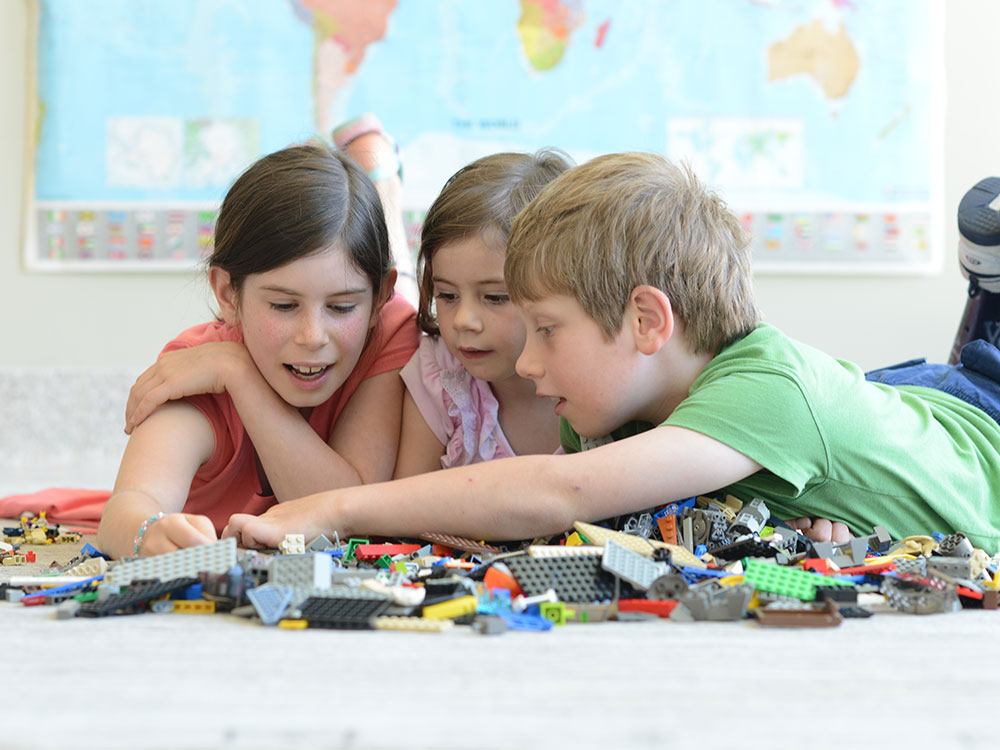
Childhood is not just a carefree period of play; it is a phase of intense neurological, emotional, and social mapping. The psychological foundations laid down during these early years shape how a human being will handle stress, form relationships, make decisions, and view their self-worth for the rest of their life. In an increasingly complex, digitally connected world, prioritizing a child’s mental wellness is more important than ever. This comprehensive guide explores the core components of psychological health in children, the common stressors they face, and actionable strategies parents and educators can use to cultivate emotional resilience.
Understanding Child Psychology: It is More Than the Absence of Illness
A common misconception is that a child possesses good psychological health simply because they do not exhibit signs of clinical anxiety or depression. In reality, pediatric mental wellness is a positive, dynamic state of being.
A psychologically healthy child is one who can successfully navigate age-appropriate developmental tasks, express a wide spectrum of emotions securely, adapt to changes in their environment, and bounce back from minor setbacks. It involves developing emotional intelligence—the ability to identify, understand, and regulate one’s own feelings while empathizing with the feelings of others. When a child’s psychological health is nurtured, they develop a robust internal toolkit that allows them to explore the world with curiosity and confidence.
The Hidden Stressors in a Child’s World
To effectively support a child’s mental well-being, adults must move past the idealized belief that childhood is entirely free from pressure. Children experience stress differently than adults, and what might seem minor to a parent can feel overwhelming to a developing mind.
The Weight of Academic and Social Performance
From an early age, children face pressure to conform and succeed. In the school environment, this manifests as anxiety over grades, test performance, and competitive extracurricular activities. Socially, children are constantly trying to decode peer dynamics, handle rejection, and find a sense of belonging. The desire to fit in can cause significant internal stress, particularly during the transition into middle childhood and pre-adolescence.
The Digital Saturation and Social Comparison
Modern children are the first generation to grow up with constant access to smartphones, tablets, and social media platforms. While technology offers educational benefits, it also exposes young minds to an unrelenting stream of information and idealized social comparisons. Continuous screen time can disrupt sleep patterns, reduce the amount of time spent in physical play, and heighten feelings of isolation or inadequacy.
Environmental and Familial Changes
Children thrive on predictability and routine because it provides them with a psychological sense of safety. Major disruptions within the family structure—such as parental divorce, financial instability, the loss of a loved one, or moving to a new city—can deeply destabilize a child’s internal security. Even chronic, low-level tension or arguments within the household can be absorbed by a child, manifesting as behavioral shifts or emotional withdrawal.
Practical Strategies to Build Psychological Resilience
Cultivating good psychological health in children requires an active, intentional approach. Parents, guardians, and educators can implement several key practices to create a supportive environment.
1. Create an Environment of Emotional Validation
One of the most powerful things an adult can do for a child is to validate their emotions. When a child is upset, angry, or scared, avoid dismissive phrases like “It’s not a big deal” or “Stop crying over nothing.” Dismissal teaches children to suppress their feelings or believe that their internal experiences are wrong. Instead, label and validate their emotions by saying, “I can see you are feeling really frustrated right now, and it’s okay to feel that way.” This practice builds emotional literacy and teaches them that all feelings are manageable.
2. Establish Consistent Routines and Safe Spaces
Predictability is an excellent antidote to anxiety. Establishing clear, consistent daily routines—such as regular family meal times, structured homework blocks, and calming bedtime rituals—helps children feel secure. They know what to expect next, which reduces hyper-vigilance. Additionally, ensure your home is a psychological safe space where mistakes are treated as opportunities for learning rather than reasons for severe shame or punishment.
3. Encourage Unstructured, Creative Play
In our rush to enrich children’s lives with organized sports, music lessons, and tutoring, we often crowd out the most therapeutic activity available to them: unstructured play. Free play allows children to use their imaginations, problem-solve independently, act out structural anxieties through role-play, and experience pure joy. Physical outdoor play also stimulates the release of endorphins, naturally lowering stress chemicals like cortisol and improving overall mood.
4. Model Healthy Coping Mechanisms
Children are sharp observers; they learn far more from what adults do than what they say. How do you handle a stressful situation, an angry phone call, or a mistake in the kitchen? If a child sees you practicing calm breathing, stepping away to cool down, or speaking gently to yourself when you make a mistake, they will internalize these positive behaviors. Be open about your own manageable emotions, demonstrating that stress is a normal part of life that can be handled constructively.
Conclusion
Psychological health is not a fixed trait that a child is simply born with; it is a flexible, living component of their overall wellness that must be actively protected and nurtured every day. By understanding the unique stressors that children face, validating their complex emotional experiences, providing stable daily routines, and modeling healthy coping mechanisms, we can help them build a strong foundation of resilience. Investing in a child’s mental and emotional well-being today ensures that as they grow, they will possess the internal strength, confidence, and psychological clarity required to successfully navigate the adult world with grace, empathy, and vitality.