
Fatherhood has a way of exposing every inefficiency in a traditional fitness routine. Before having children, staying in shape often relies on abundant free time—ninety-minute gym sessions after work, uninterrupted meal prep on Sundays, and eight full hours of predictable sleep. Once kids enter the picture, that structure vanishes overnight. Sleep becomes fragmented, schedules revolve around school drop-offs and bedtime routines, and personal time shrinks to narrow, unpredictable windows.
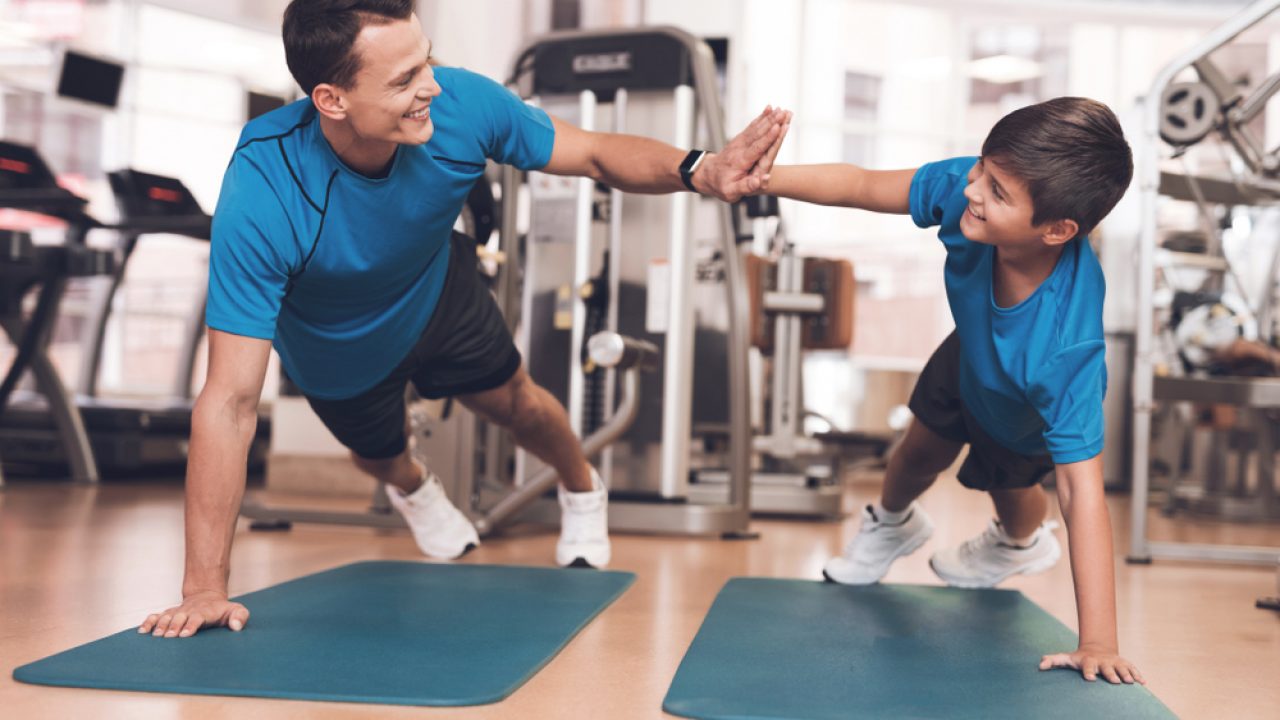
Yet stepping into fatherhood is precisely when physical strength, cardiovascular stamina, and stress resilience matter most. Becoming a fitness dad is not about chasing aesthetic perfection or spending hours away from your family in a weight room. Instead, it is about building functional energy, durability, and longevity so you can show up fully—whether that means carrying a sleeping toddler up the stairs without tweaking your lower back, keeping pace with teenagers on a weekend hike, or modeling healthy self-care for the people watching your every move.
Shifting from All-or-Nothing Workouts to High-Efficiency Training
One of the biggest obstacles fathers face is the all-or-nothing mindset: believing that if you cannot complete a full sixty-minute workout, there is no point in training at all. When life gets chaotic, that perfectionism leads to weeks or months of complete inactivity.
Sustainable dad fitness thrives on minimum effective dose training. Three to four focused sessions per week—lasting anywhere from twenty-five to forty minutes—can build remarkable strength and conditioning when programmed intelligently. Rather than isolating single muscles with endless machine exercises, prioritize compound movements that deliver the highest return on invested time:
- Squat and Hinge Patterns: Goblet squats, Bulgarian split squats, kettlebell swings, and Romanian deadlifts build lower-body power and protect the lower back during everyday lifting.
- Push and Pull Balance: Push-ups, overhead presses, pull-ups, and inverted or dumbbell rows counteract the forward-slouching posture caused by desk work and holding small children.
- Loaded Carries and Core Stability: Farmer’s walks, suitcase carries, and dead bugs train anti-rotation core strength—the exact type of stability required when carrying a squirming child on one hip while holding groceries in the other hand.
Having even a minimal home setup—such as a pair of adjustable dumbbells, a kettlebell, and a pull-up bar—eliminates commute time entirely, turning a spare thirty-minute window during naptime or before the household wakes up into a complete training session.
Nutrition Strategies Built for Busy Family Kitchens
Cooking separate “diet meals” while the rest of the family eats dinner is both exhausting and unsustainable. A practical fitness dad learns how to eat for performance and body composition using the exact same foods served at the family table.
Start by anchoring every meal around a generous serving of lean protein—such as chicken, fish, eggs, lean beef, Greek yogurt, or legumes—which preserves muscle mass, stabilizes energy, and keeps hunger in check during hectic afternoons. From there, use simple portion adjustments rather than restrictive dieting. If the family is having pasta night, load half your plate with roasted vegetables and grilled protein first, then enjoy a sensible portion of pasta alongside it.
Equally important is watching out for “invisible” calories that sneak into parenting routines: finishing leftover mac and cheese off your child’s plate, relying on sugary afternoon coffees to survive sleep deprivation, or snacking mindlessly while cleaning up the kitchen after bedtime. Replacing those habits with high-protein snacks, sparkling water, and a hard kitchen cutoff time after dinner creates steady progress without rigid calorie counting.
Turning Family Time into Active Lifestyle Momentum
Fitness does not always have to happen in isolation away from your kids. Integrating movement into family life multiplies your weekly activity while reinforcing connection:
- Active Play as Conditioning: Racing your kids at the park, playing backyard soccer, swimming, or biking together provides genuine cardiovascular conditioning disguised as quality time.
- Weekend Outdoor Rituals: Establishing a weekly family walk, trail hike, or park session creates a non-negotiable active anchor that everyone looks forward to.
- Training in Plain Sight: Letting your children see you stretch, lift weights, or go for a run teaches them that taking care of your body is a normal, respected part of adult life—not a selfish chore.
Managing Recovery When Sleep Is Out of Your Control
Traditional fitness advice tells you to simply sleep eight hours a night to optimize recovery. Any father of young children knows that is not always within your control. When sleep quantity takes a hit, recovery management has to become smarter.
Adjust training intensity based on your actual recovery capacity rather than forcing maximum weights after a broken night of sleep. On exhausted days, swap heavy lifting for a brisk twenty-minute walk, mobility work, or light kettlebell flows. Stay aggressively hydrated throughout the day, keep caffeine intake strictly to the morning hours so it does not erode whatever deep sleep you do get, and treat ten minutes of evening stretching or breathwork as a deliberate transition out of work-and-parenting stress.
Conclusion
Being a fitness dad has very little to do with six-pack abs or personal records in the gym—it is about stewardship of your energy, health, and presence. By embracing short, high-impact workouts, sharing balanced whole-food meals with your family, weaving movement into everyday parenting, and respecting recovery during demanding seasons of life, you build a body capable of meeting the real physical demands of fatherhood. More importantly, you leave your children with a living blueprint of what consistent, balanced, and lifelong health actually looks like.