
Embarking on a health and fitness journey is an exciting decision that can profoundly improve your quality of life. Whether your goal is to build lean muscle mass, improve cardiovascular endurance, manage weight, or simply cultivate more consistent daily movement, the path to success requires structure. In the world of wellness, motivation is what gets you started, but organization and discipline are what keep you moving forward.
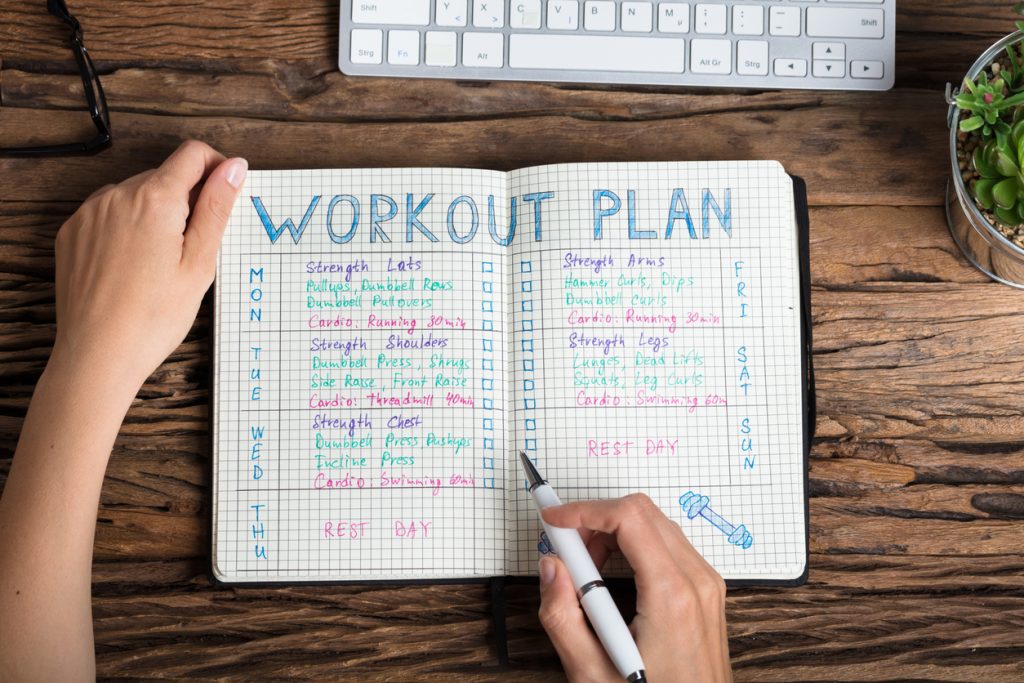
This is where a fitness planner becomes an invaluable asset. A high-quality fitness planner acts as your personal, silent coach. It holds you accountable, tracks your daily habits, documents your physical milestones, and provides a clear visual representation of your hard work over time. However, walking down the stationery aisle or browsing digital app stores reveals an overwhelming array of options. Choosing a planner that does not align with your lifestyle can result in a abandoned tool and a loss of momentum. This comprehensive guide outlines the vital tips and strategies you need to consider to choose the best fitness planner for your unique goals.
1. Determine Your Preferred Medium: Digital versus Physical
The very first decision you must make is deciding whether a tangible, paper-based planner or a digital tracking system fits more seamlessly into your daily routine. Both mediums offer distinct operational advantages.
The Power of Pen and Paper
For many individuals, the act of physically writing down a workout with a pen creates a stronger psychological commitment. Paper fitness planners allow for complete creative freedom, require zero battery life, and eliminate the distracting notifications that come with opening a smartphone or tablet at the gym. Swapping between your workout and your messages can break your focus; a physical booklet keeps your mind entirely on your physical performance.
The Efficiency of Digital Planners
On the flip side, if you already manage your entire life through a smartphone, computer, or smartwatch, a digital fitness planner or specialized app might be the superior choice. Digital planners offer automated data calculations, the ability to sync with wearable fitness trackers, and the convenience of always being in your pocket. They are ideal for data-driven individuals who want to see automatic weekly graphs of their caloric intake or strength progressions.
2. Align the Planner Layout with Your Specific Fitness Goals
Not all fitness journeys are built the same way. A runner training for a marathon requires vastly different data fields than someone focused strictly on heavy powerlifting or tracking macros for fat loss.
For Strength Training Enthusiasts
If your main focus is weightlifting, resistance training, or calisthenics, look for a planner layout that features dedicated grids for tracking specific exercises, weight used, sets, and repetitions. Having ample space to write down your numbers allows you to practice progressive overload—the scientific method of gradually increasing the stress placed on your body to stimulate muscle growth and strength gains.
For Endurance and Cardiovascular Athletes
If your routine is anchored in running, cycling, swimming, or rowing, your ideal planner should prioritize duration, distance, heart rate zones, and pace tracking. Look for layouts with spacious daily logs where you can note weather conditions, terrain types, and how your joints felt during long-distance sessions.
For Holistic Wellness and Nutrition Tracking
For those focusing on total lifestyle transformations, a basic workout log will not be enough. Seek out a comprehensive wellness journal that includes food logs for macro tracking, water intake indicators, sleep duration trackers, and daily mood or stress assessments. Since metabolic health is heavily dependent on sleep quality and stress levels, tracking these variables gives you a complete overview of your health.
3. Prioritize Flexibility and Undated Formats
One of the most common pitfalls of purchasing a traditional, dated calendar-style planner is the guilt that comes with missing a week. Life is inherently unpredictable; vacations, illnesses, or busy work periods can easily disrupt your exercise schedule.
Choosing an undated fitness planner allows you to pause and resume your tracking at any moment without wasting valuable pages or looking at empty, discouraging dates. An undated layout grants you the flexibility to track your progress based on active weeks of training rather than strict calendar months, fostering a healthier, more forgiving mindset toward long-term consistency.
4. Evaluate Portability and Durability
Your fitness planner is meant to be used in real-world environments, not just to sit pristine on a clean office desk. It will likely accompany you to sweat-drenched gym floors, outdoor tracks, or kitchen countertops covered in meal-prep ingredients.
If you choose a physical planner, look for robust materials. Spiral-bound planners are exceptionally practical because they can fold completely flat, allowing you to read your workout easily while resting between sets. Opt for a cover made of water-resistant material or thick hardcover cardboard, and ensure the paper weight is thick enough to prevent ink from bleeding through to the next page when you are quickly logging stats. If you prefer portability, select a compact size (such as A5) that slips easily into a standard gym bag.
5. Look for Dedicated Sections for Reflection and Goal Setting
A truly elite fitness planner does more than just record daily numbers; it guides your mindset. Before you write down a single daily workout, a great planner should prompt you to establish your macro-goals using the SMART criteria (Specific, Measurable, Achievable, Relevant, and Time-bound).
Furthermore, look for a tool that features built-in weekly or monthly reflection pages. These sections encourage you to review what went well, identify what obstacles held you back, celebrate non-scale victories (such as increased energy levels or better fitting clothes), and adjust your strategy for the upcoming weeks. This reflective practice transforms a basic logbook into a dynamic tool for personal growth.
Conclusion
Choosing the perfect fitness planner is not a superficial task; it is the strategic creation of your personal accountability framework. By taking the time to analyze your tracking medium preferences, matching the layout directly to your athletic goals, selecting an undated and flexible format, and ensuring the product is durable enough to withstand daily use, you set yourself up for sustained success. The best fitness planner is ultimately the one you enjoy using consistently. Find the tool that speaks to your personal style, keep it by your side, and use it to systematically turn your long-term health aspirations into daily, measurable realities.