
Bringing a new kitten into your home is an incredibly joyful experience. Watching these tiny, energetic bundles of fur pounce on toys, explore every corner of a room, and curl up for long naps can warm any heart. However, behind all that playful energy is a body undergoing a massive biological transformation. During their first year of life, kittens experience a rapid growth rate that requires immense physical and structural support. In fact, a kitten’s nutritional needs are vastly different from those of an adult cat.
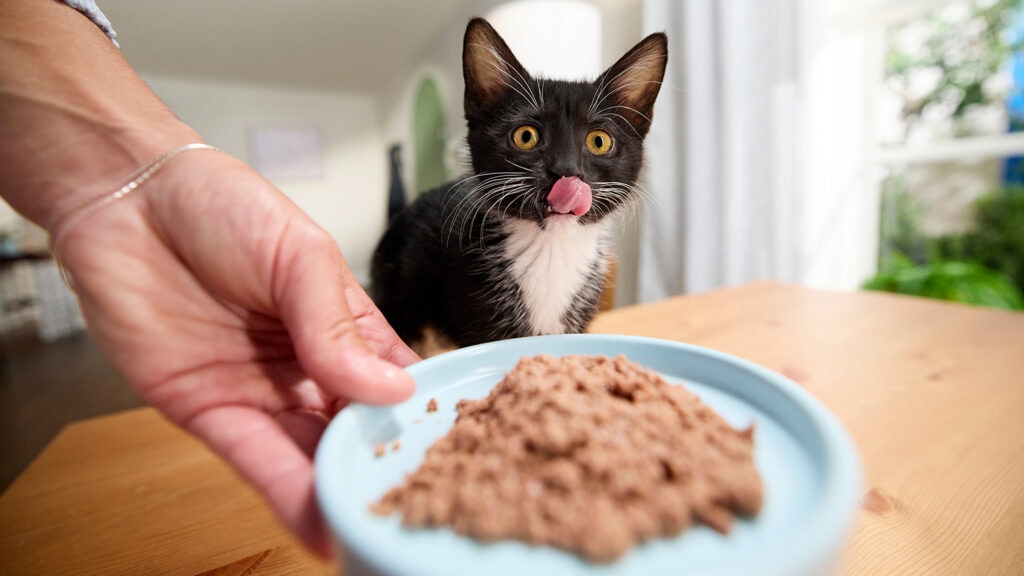
Providing your growing companion with the right fuel is one of the most critical responsibilities of pet ownership. The dietary habits established during these early months lay the foundation for their lifetime health, affecting everything from their bone density to the strength of their immune system. This comprehensive guide will explore the unique nutritional requirements of growing kittens, how to establish a healthy feeding routine, and key strategies to ensure your feline friend thrives from infancy to adulthood.
The Specialized Biological Needs of a Growing Kitten
To understand why a regular adult cat food won’t suffice for a young feline, we have to look at the sheer speed of their physical development. Within their first six months, a kitten will achieve roughly 75% of their adult body weight. This rapid growth demands a specialized balance of macronutrients and micronutrients.
High Demand for Premium Proteins and Amino Acids
Cats are obligate carnivores, meaning their bodies are biologically designed to process nutrients derived from animal tissue. For a growing kitten, protein is the fundamental building block for muscles, tissues, and organs. Kitten formulations must contain higher concentrations of easily digestible protein compared to adult food. Furthermore, kittens require specific essential amino acids, such as taurine, which supports healthy retinal development and optimal cardiac function.
Concentrated Calories for Infinite Energy
If you have ever watched a kitten play, you know their energy levels are sky-high. To support both their explosive bursts of playtime and their internal cellular growth, kittens require a diet that is highly caloric. Healthy fats serve as the primary source of this concentrated energy, while also aiding in the absorption of fat-soluble vitamins.
Precise Mineral Ratios for Bone Development
Building a strong skeletal structure requires a meticulous balance of minerals, specifically calcium and phosphorus. An imbalance in these nutrients can lead to metabolic bone diseases, weak joints, or structural deformities. High-quality commercial kitten diets are scientifically formulated to ensure these minerals exist in the exact ratios necessary for safe, steady bone growth.
Deciding Between Wet Food, Dry Food, and Hydration
When walking down the pet care aisle, the sheer variety of options can be overwhelming. Understanding how different food textures contribute to your kitten’s internal health makes the decision much easier.
The Crucial Role of Wet Cannned Food
Many veterinarians highly recommend making wet food a substantial part of a growing kitten’s diet. Naturally, felines have a low thirst drive and are biologically accustomed to obtaining moisture directly from their prey. Canned wet food provides excellent hydration, which protects their developing kidneys and keeps their urinary tract flushing cleanly. Additionally, the soft texture is easy on their tiny baby teeth and sensitive gums.
The Convenience of High-Quality Dry Kibble
Dry kitten food is highly energy-dense, making it a convenient way to ensure your kitten gets enough daily calories. Leaving a small, measured amount of dry kibble out can be helpful for kittens who prefer to graze throughout the day. However, it is essential to ensure that dry food is specifically labeled for “growing kittens” or “all life stages,” as standard adult kibble lacks the required nutrient density.
Establishing an Optimal Feeding Schedule
Because kittens have tiny stomachs but massive energy requirements, their feeding schedule must be structured differently than an adult cat’s routine.
Frequent, Small Meals
A eight-week-old kitten cannot consume all their daily caloric needs in one or two large sittings. At this stage, they should ideally be fed three to four small meals a day. This frequent feeding schedule prevents blood sugar crashes and ensures a steady supply of nutrients to their growing body. As they reach six months of age, you can gradually transition them to two or three meals a day.
The Importance of Fresh Water Access
Even if your kitten consumes wet food regularly, access to clean, fresh water is essential. Place multiple water bowls away from their litter box and food dish, as cats are instinctively hesitant to drink water located near their waste or hunting grounds. Many kittens are fascinated by moving water, so investing in a circulating pet fountain can encourage them to stay properly hydrated.
Navigating the Transition to Adult Food
As your kitten approaches their first birthday, their growth rate will finally begin to stabilize, and their metabolic needs will shift.
Knowing When to Switch
For most standard domestic cat breeds, the transition from kitten food to adult maintenance food should happen around twelve months of age. Larger, slow-growing breeds, such as Maine Coons, may require kitten nutrition for up to 18 or 24 months. Always consult with your veterinarian to determine the precise timeline for your specific companion.
The Slow Blend Method
Never switch your cat’s food abruptly from one day to the next. Feline digestive systems are highly sensitive, and a sudden change can result in severe stomach upset, diarrhea, and food aversion. Gradually introduce the new adult food by mixing a small amount into their kitten food, slowly increasing the proportion of adult food over a period of seven to ten days until the transition is complete.
Conclusion
Feeding your growing kitten for optimal health is a rewarding investment in their long-term happiness and vitality. By prioritizing protein-rich, calorie-dense formulations designed specifically for their developmental stage, maintaining a consistent feeding schedule, and ensuring proper hydration, you give your young pet the ultimate head start in life. Pay close attention to their weight, energy levels, and coat quality during this first year, and maintain open communication with your veterinarian. The care and nutrition you provide today will echo through the years, transforming a tiny, playful kitten into a strong, radiant, and healthy adult cat.